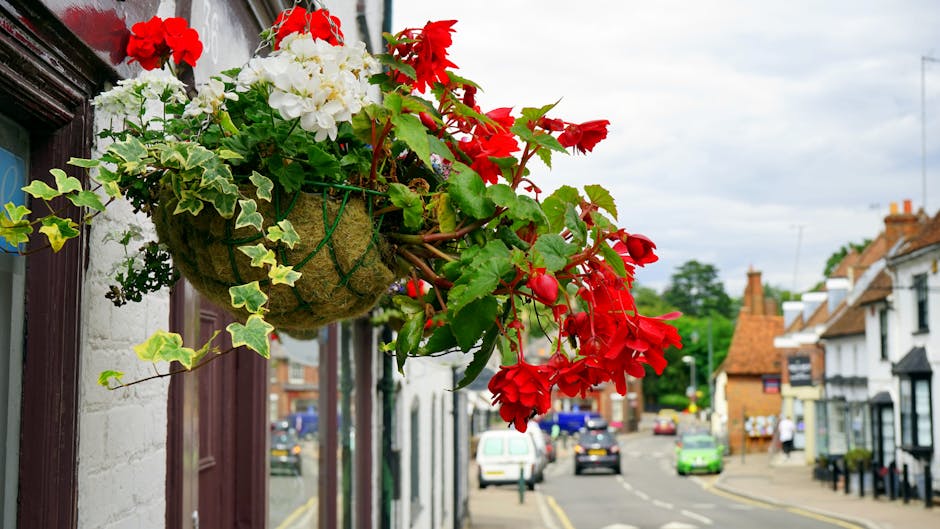
Enfield Council rules for public floral displays and permits
Posted on 24/10/2026
Enfield Council rules for public floral displays and permits: a practical guide for public-facing planting, tributes and temporary displays
If you are planning a public floral display in Enfield, the paperwork can feel a bit less charming than the flowers themselves. But that is usually the difference between a smooth installation and a last-minute scramble. Enfield Council rules for public floral displays and permits matter whether you are arranging a planter outside a shop, a tribute display for an event, or a decorative scheme that touches a pavement, verge, or other public space.
This guide breaks the subject down in plain English: what the council is trying to protect, how permissions tend to work in practice, what questions to ask before you start, and the mistakes that catch people out. If you are a business owner, event organiser, resident group, or florist working on a public-facing job, you will find the useful bits here without the fluff.
Truth be told, most problems happen before a single stem is placed. A quick check now is easier than explaining a blocked footway later.
Table of Contents
- Why Enfield Council rules for public floral displays and permits Matters
- How Enfield Council rules for public floral displays and permits Works
- Key Benefits and Practical Advantages
- Who This Is For and When It Makes Sense
- Step-by-Step Guidance
- Expert Tips for Better Results
- Common Mistakes to Avoid
- Tools, Resources and Recommendations
- Law, Compliance, Standards, or Best Practice
- Options, Methods, or Comparison Table
- Case Study or Real-World Example
- Practical Checklist
- Conclusion
- Frequently Asked Questions
Why Enfield Council rules for public floral displays and permits Matters
Public floral displays do more than look nice. They can guide footfall, soften a streetscape, mark an occasion, support local identity, and create a more welcoming atmosphere. But the moment a display moves from private property into a shared or public area, the council's concerns change too. Access, visibility, trip hazards, upkeep, and street clutter all become relevant.
That is why Enfield Council rules for public floral displays and permits matter. The council is typically balancing several things at once: pedestrian safety, highway access, drainage, maintenance, disabled access, and the broader look and function of the street. A lovely arrangement that blocks a dropped kerb or reduces pavement width can create real problems, even if the flowers themselves are modest.
In practice, this means the "can we put it there?" question is often more important than the "what flowers should we use?" question. Slightly boring, yes. Necessary, absolutely.
For businesses, the issue is also reputational. A display that looks thoughtful can make a frontage feel cared for. A display that appears unauthorised, unstable, or messy can do the opposite. And for event organisers, the risk is not just inconvenience. An unapproved installation may be removed or altered, sometimes without much warning, if it is considered unsafe or unsuitable for the location.
Practical takeaway: if a floral display will affect a pavement, road edge, public verge, shared access point, or council-managed space, assume you need to check permission before proceeding.
That single habit saves time, money, and a fair amount of stress.
How Enfield Council rules for public floral displays and permits Works
The exact process depends on the location and the type of display. There is no one-size-fits-all answer, which can be annoying, but it is also sensible. A small window box attached to your own building is a very different matter from a large planter on a public footway or a temporary tribute line outside a venue.
As a general rule, the council will want to know:
- where the display will go
- how much space it will occupy
- how long it will remain in place
- who will install and maintain it
- whether it could affect pedestrians, vehicles, emergency access, or cleaning
- how you will remove it if requested
If you are working with a florist, they may help with the presentation, but they usually cannot replace the need to confirm the local permission route. In some cases, the council may require a licence, permit, or other form of approval. In other situations, the display may be acceptable only if placed entirely within private land and not projecting into the highway.
The practical workflow is usually something like this: identify the site, check whether it is public or private, confirm the dimensions, consider access and safety, then ask the council what approval route applies. You may also need to coordinate with the landowner, managing agent, or event venue if the area is not directly under council control.
For local businesses in Enfield, it is common to start with the frontage and the footway. For events, the focus may shift to temporary installations, directional arrangements, or floral tributes around entrances and gathering points. Each one needs a slightly different thought process. Not glamorous, I know. But that is the job.
What typically triggers permission checks?
A permission check is often sensible, and sometimes essential, when the floral display:
- goes on a public pavement, verge, or roadside edge
- uses fixings, stands, barriers, anchors, or freestanding structures
- could narrow the walking route
- is likely to attract crowds or create a viewing point
- is part of an event, promotion, memorial, or seasonal street dressing
- needs to stay in place beyond a very short period
If you are unsure, ask first. Really. It is much easier to adjust a plan on paper than after installation.
Key Benefits and Practical Advantages
Getting the permissions side right is not just about avoiding trouble. There are some clear advantages, and they matter more than people think.
1) Fewer delays and less disruption. When the approval route is clear, you can plan delivery, set-up, and removal properly. That keeps the day calmer for everyone involved.
2) Better safety outcomes. Approved layouts are more likely to preserve clear pedestrian routes, protect sightlines, and reduce the chance of trip hazards, wet-surface slips, or unstable items being knocked over.
3) More professional presentation. A floral display that has been thought through in relation to the site tends to look more polished. You notice it straight away: the spacing, the proportion, the tidy edges. It all reads better.
4) Lower risk of complaints. Neighbours, passers-by, and nearby businesses are less likely to object if the display is well managed and visibly appropriate to the space.
5) Easier coordination with other services. Waste collection, street cleansing, repairs, and planned works all become easier to manage when the display is not simply dropped into place with no notice.
6) Better long-term reputation. If you are a trader, organiser, or community group, demonstrating that you respect local rules builds trust. That matters in Enfield just as it does anywhere else in London.
There is also a quieter benefit: peace of mind. You are not second-guessing whether somebody will turn up and ask you to move it.
Who This Is For and When It Makes Sense
This topic is relevant to a wider group than many people realise. It is not only for big event teams or formal civic displays.
Business owners and shopfront operators
If you want to add floral interest near the entrance, create a seasonal frontage, or position planters by the pavement, you need to think carefully about whether the arrangement sits fully on private property. If anything spills into public space, permission may be needed.
Event organisers
Street celebrations, cultural events, memorial gatherings, and community festivals often involve temporary floral features. These can be beautiful and meaningful. They also need site planning, especially where crowds, traffic management, and timings are involved.
Florists and floral designers
A florist working on public-facing installations needs to know not only how to create the display but how to deliver it safely and in a way that fits local expectations. In our experience, the best projects are the ones where the florist, client, and site manager speak early.
Community and faith groups
Public floral tributes, wreaths, remembrance pieces, and memorial arrangements often carry emotional weight. That means handling them with care and clarity. Permission is still important, but so is sensitivity to the setting and the people around it.
Residents and neighbourhood groups
Sometimes a small planting effort grows into a larger public-facing feature. A clean, modest display outside a home may be fine; a collection of pots around a communal path may raise different concerns. That is where checking the boundary between private and public space matters.
Who needs this most? Anyone whose arrangement could affect a shared space. Simple answer, but it saves headaches.
Step-by-Step Guidance
Here is a practical approach that works well when planning a public floral display in Enfield. It is not the only route, but it is a good one.
Step 1: Define the exact location
Be precise. Don't just say "outside the shop" or "near the entrance." Measure the space, identify whether it is council-managed, privately owned, or shared, and note any nearby obstacles such as bins, poles, dropped kerbs, crossing points, or street furniture.
Step 2: Decide what the display will include
List the items: planters, arrangements, tributes, stands, vessels, signage, ribbons, lanterns, or protective bases. A small hand-tied bouquet is one thing; a grouped display with stands and decorative edging is another. The more components, the more likely the council will want details.
Step 3: Check the access impact
Ask yourself the awkward but necessary questions. Will someone with a pushchair get past? What about a wheelchair user? Could the display obscure sightlines for drivers or make sweeping and gritting difficult? If the answer is uncertain, the display may need a different position or smaller footprint.
Step 4: Confirm the permission route
At this stage, you should contact the relevant council channel or land manager and ask what is required. Depending on the site, you may need a permit, licence, approval, or a simple written confirmation that the arrangement is acceptable.
Step 5: Prepare the supporting details
Have your information ready. That usually includes:
- a site plan or sketch
- display dimensions
- installation and removal dates
- materials used
- maintenance plan
- contact details for the responsible person
A neat set of details makes a better impression than a vague request. It also speeds things up, which never hurts.
Step 6: Plan installation and maintenance
Think beyond the first photo. Flowers fade, weather changes, and containers can shift. If the display is staying up for more than a short period, decide who will water it, replace damaged stems, remove waste, and check stability.
Step 7: Keep records
Save the permission, correspondence, and any conditions you are asked to follow. If a question comes up later, you want to be able to show what was agreed. A quick email trail can be worth its weight in gold.
Expert Tips for Better Results
A few practical habits make public floral displays much easier to manage. These are the sorts of details that often separate a decent result from a smooth one.
Use a smaller footprint than you think you need
People often overestimate how much space they have. In a narrow street or busy high street, even a modest display can feel large once you factor in people carrying bags, walking dogs, or steering a buggy. Leave more clearance than your first sketch suggests.
Choose stable containers and weather-aware materials
London weather can be a bit changeable. One mild morning and then a gusty afternoon, and suddenly a lightweight container is wobbling. Use stable bases, consider drainage, and avoid anything that becomes slippery when wet.
Think about scent and allergen comfort
Strong fragrance can be lovely in small doses, but in dense public settings it may not suit everyone. If the display will sit near a queue, doorway, or seating area, balance fragrance with tolerance and movement space. Subtle is often better than showy.
Design for maintenance, not just reveal day
The first installation photo is only half the job. After that come fallen petals, tired stems, and the odd bit of rubbish blown in by the wind. If a display can be refreshed easily, it will look better for longer. Simple as that.
Build in a removal plan from day one
Do not wait until the end to decide how items will be collected. Flower displays in public areas should be easy to clear without damage to the site. Good organisers always have a tidy exit plan.
Work to the mood of the location
A local remembrance display, a wedding entrance, and a community celebration each need a different tone. The flowers can say a lot without shouting. That is where good design earns its keep.
Small aside: if a display looks like it was assembled in a hurry, people can tell. They just can. Flowers are surprisingly honest that way.
Common Mistakes to Avoid
Most issues come from rushed assumptions. Here are the mistakes that appear again and again.
- Assuming private frontage means no permission is needed. It might still matter if anything overhangs or sits in public space.
- Forgetting access requirements. A display that looks fine in a photo may obstruct movement in real life.
- Skipping the maintenance plan. Public arrangements need regular checking, especially in wet or windy weather.
- Using unstable stands or containers. If it can topple, it probably will at the worst possible moment.
- Leaving removal too late. Temporary public floral displays should not quietly drift into permanent fixtures.
- Not documenting approval. Verbal agreement alone is risky. Get it in writing where possible.
- Ignoring neighbouring users. A display can look lovely and still frustrate a shop next door if it blocks views or footfall.
One more practical point: do not over-decorate because you are nervous the display will look small. That is a common instinct, and it backfires more often than not.
Tools, Resources and Recommendations
You do not need fancy equipment to manage a compliant display, but a few practical tools make life easier.
Useful planning tools
- Tape measure: essential for checking width, height, and clearance.
- Phone camera: take clear site photos before and after installation.
- Simple site sketch: helpful when describing where the display will sit.
- Weather app: useful for planning installation and maintenance windows.
- Checklist or job sheet: keeps the team aligned on dates and responsibilities.
Operational recommendations
If you are arranging a public floral display in or around Enfield, consider these practical habits:
- book enough lead time for permission checks
- choose flowers and containers that suit the weather and duration
- keep a named responsible person on the record
- have a backup plan if the site changes
- make sure installation does not disrupt opening hours or traffic flow
For linked floral needs, it can also help to work with a local supplier who understands timing, transport, and short-notice coordination. If you are arranging a wider floral order around an event, pages such as wedding flowers in Enfield, funeral flowers, or corporate accounts can be useful depending on the occasion.
For delivery planning, you may also want to review delivery information and flower care guidance, especially if the display will be installed in stages or held for a short event window.
Law, Compliance, Standards, or Best Practice
This section needs a careful tone, because public floral displays can touch on local authority permissions, highway considerations, accessibility, and general public safety. The exact legal route depends on the location and the proposed setup, so it is not sensible to pretend there is one universal rule that covers every display.
What you can say with confidence is this: any arrangement that affects the public realm should be assessed for safety, access, and suitability. That is the standard expectation in UK public-space work, whether you are dealing with a council, a venue, or a managing agent. In plain English, if your flowers change how people move through a space, somebody needs to be responsible for that decision.
Best practice usually includes:
- keeping pedestrian routes clear
- avoiding trip hazards and loose fixings
- using stable, weather-appropriate materials
- respecting visibility for road users and pedestrians
- removing the display promptly when the permission period ends
- keeping a record of approval and conditions
If the display is for a sensitive occasion, such as remembrance or a funeral-related tribute, be particularly careful with the setting. Emotional value matters, but so does public safety. The best tributes are dignified and unobtrusive, not forced into a space that cannot properly hold them.
For businesses, it is also sensible to review the site against your own public liability and premises management responsibilities. That is not a substitute for council permission, of course. It is just the other half of being properly prepared.
Options, Methods, or Comparison Table
Different displays suit different needs. The right choice depends on duration, site type, budget, and how much control you have over the area.
| Option | Best for | Typical strengths | Main caution |
|---|---|---|---|
| Small frontage arrangement | Shops, cafes, small businesses | Simple, neat, easy to maintain | Must stay fully clear of the public path if no permission has been granted |
| Freestanding planter group | Short-term decoration and seasonal dressing | Visible, flexible, reusable | Can block access or become unstable if placed badly |
| Tribute display or memorial cluster | Community events, remembrance, sensitive occasions | Meaningful and respectful | Needs careful placement and clear removal responsibility |
| Event entrance floral scheme | Weddings, launches, cultural events | Strong first impression, good for photos | May need approvals if it touches public land or circulation space |
| Temporary street dressing | Festivals, local celebrations, seasonal campaigns | High visual impact | Usually needs the most coordination and permission checks |
In simple terms, the more public the setting, the more formal the permission process tends to be. A private display can stay simple. A public one needs more structure. Fair enough, really.
Case Study or Real-World Example
Imagine a small independent business in Enfield planning a spring weekend promotion. The team wants a row of colourful planters and a floral welcome display outside the entrance. The shopfront itself is private property, but the pavement is busy, and there is already street furniture nearby.
At first glance, the idea seems straightforward. But once they measure the space, they realise the planters would narrow the walking route more than expected. A wheelchair user would still pass, but only just, and the turning space near the doorway would feel awkward. The team rethinks the layout, pulls the display back onto private frontage, and keeps the decorative elements lighter and more vertical.
The final result is calmer, cleaner, and easier to maintain. No one has to dodge a container. No one has to guess whether they are allowed to move it. The flowers still do the job, only now they do it without causing friction.
That sort of adjustment is common. And honestly, it is usually the right move. A display that is slightly smaller but properly placed almost always works better than a grander version that is constantly in the way.
For a different example, think of a community remembrance display. A floral tribute may be deeply important to the group, but if it sits too close to a pinch point or obstructs a shared entrance, it can create tension where none was intended. Clear placement, a named contact, and an agreed removal date avoid that awkwardness.
Practical Checklist
Use this checklist before you place any public-facing floral display in Enfield.
- Have I confirmed whether the site is public, private, or shared?
- Will the display stay entirely within approved space?
- Does it leave enough room for pedestrians and wheelchair users?
- Could it affect visibility, access, or cleaning routes?
- Do I know whether a permit, licence, or written approval is needed?
- Have I measured the space and recorded the dimensions?
- Is the display stable in wet or windy conditions?
- Who is responsible for watering, tidying, and checking it?
- Do I know the start date and removal date?
- Have I saved the council or landowner approval in writing?
- Is there a backup plan if the site changes at short notice?
- Will the display still look tidy after 24 or 48 hours, not just at setup?
If you can tick those off, you are already ahead of the pack.
Conclusion
Public floral displays can transform a street, soften a venue, and create a genuine sense of care in the local area. But the beauty only really works when the practical side is handled properly. That is the point of understanding Enfield Council rules for public floral displays and permits: you protect access, reduce risk, and give your flowers the best chance of being seen in the right way.
The best displays are the ones people notice for the right reasons. They feel intentional, tidy, and in tune with the place around them. And that usually starts long before the flowers arrive.
Get a free quote today and see how much you can save.
If you are planning a public-facing floral arrangement, take the extra ten minutes now to check the location, confirm the permission route, and map out the install. It is a small effort, really, but it can make the whole project feel lighter. A bit easier. A lot more certain.
And that is often what good local work is about: doing the careful thing so the lovely thing can shine.
Frequently Asked Questions
Do I need permission for a floral display on a public pavement in Enfield?
Very often, yes, or at least some form of approval check. If the display is on or over public land, or could affect access, the council may need to review it. Always confirm before placing anything that changes how the pavement is used.
What counts as a public floral display?
Anything floral that sits in a space used by the public can count, including planters, tributes, entrance decorations, temporary event arrangements, and seasonal street dressing. The key question is whether it affects a shared space rather than staying fully on private land.
Can I put flowers outside my shop without a permit?
Only if the flowers remain entirely within your own property and do not create a public safety or access issue. If they are on the pavement, close to the kerb, or project into public space, you should check whether permission is needed.
How far in advance should I apply or ask the council?
The earlier, the better. If the display is time-sensitive, such as for a wedding, memorial, or seasonal event, allow enough lead time for a response and any changes that may be requested. Last-minute installs are where the stress starts.
What details should I include when asking about a permit?
Include the exact location, measurements, dates, what the display includes, how it will be secured, and who will maintain or remove it. Photos or a simple sketch help a lot. Clear information usually gets a clearer answer.
Are temporary floral tributes treated differently from permanent planters?
Often they are, because temporary tributes usually have a defined end date and may be installed for a specific event or occasion. Even so, they can still need approval if they affect public access or sit on council-managed land.
What happens if a floral display is placed without permission?
It may be moved, removed, or challenged if it is considered unsafe, obstructive, or unauthorised. That is not ideal for anyone. Getting the right approval first is usually much easier than dealing with a removal later.
Do I need to worry about accessibility?
Yes, definitely. Displays should leave enough space for wheelchair users, pushchairs, mobility aids, and general foot traffic. Accessibility is not a "nice to have" here; it is part of good site planning.
Can a florist handle the permit process for me?
A florist can often help with the practical setup and may be experienced in public-facing installations, but the responsibility for permission usually sits with the organiser, business owner, or landholder. It is best to decide that clearly at the start.
How do I keep a public display looking fresh for longer?
Choose stable containers, use weather-appropriate flowers, plan simple maintenance, and keep a replacement or tidy-up schedule. Public displays age quickly if no one is watching them. A little attention goes a long way.
What is the safest approach if I am unsure about the rules?
Pause and ask before installing. Describe the site, share the dimensions, and explain the purpose of the display. If there is any doubt about whether the arrangement affects public land, treat it as something that needs checking. That cautious approach is usually the wisest one.
Are wedding or funeral floral displays treated the same as shopfront displays?
Not always. Weddings and funerals often involve temporary, event-specific arrangements and may be handled differently, but the same basics still apply: access, safety, location, and permission. Emotional importance does not remove the need for practical planning.